For years, I have been trying to name the future that comes after private car ownership in mainstream America.
Not Manhattan. Not the handful of dense U.S. neighborhoods where “car-free” already makes intuitive sense. I mean the larger landscape where most Americans actually live: the suburbs, the thin-city neighborhoods, the lower-density districts spread across metro regions from Denver to Atlanta to Phoenix to Louisville. In these places, the future after the car cannot be described honestly as simply “car-free.” It has to be described as something richer, more coordinated, and more practical.
The best name I have found for that future is the Mobility Mesh.
The Mobility Mesh is the web of options, services, infrastructure, and digital connections that together make it possible to live well without needing to own a car. Not without ever using a car. Not without vehicles. Not without movement. Without needing to own one large personal vehicle just to function.
That distinction matters.
For too long, our debate has been trapped inside a false binary. Either you own a car, or you are someone who bikes and takes the bus. Either you live like suburban America, or you live like Manhattan. Either you accept automobile dependency, or you accept a major reduction in convenience, freedom, speed, and quality of life.
That is the wrong frame for what is coming.
The real alternative to car dependency is not one mode. It is not just transit. It is not just bikes. It is not just ridehail. It is not just robocars. It is not even just “mobility as a service.” The real alternative is a mesh: a dense, resilient mix of proximity, physical mobility, and digital connectivity working together so well that the need to own a car steadily falls away.
That is why this term matters.
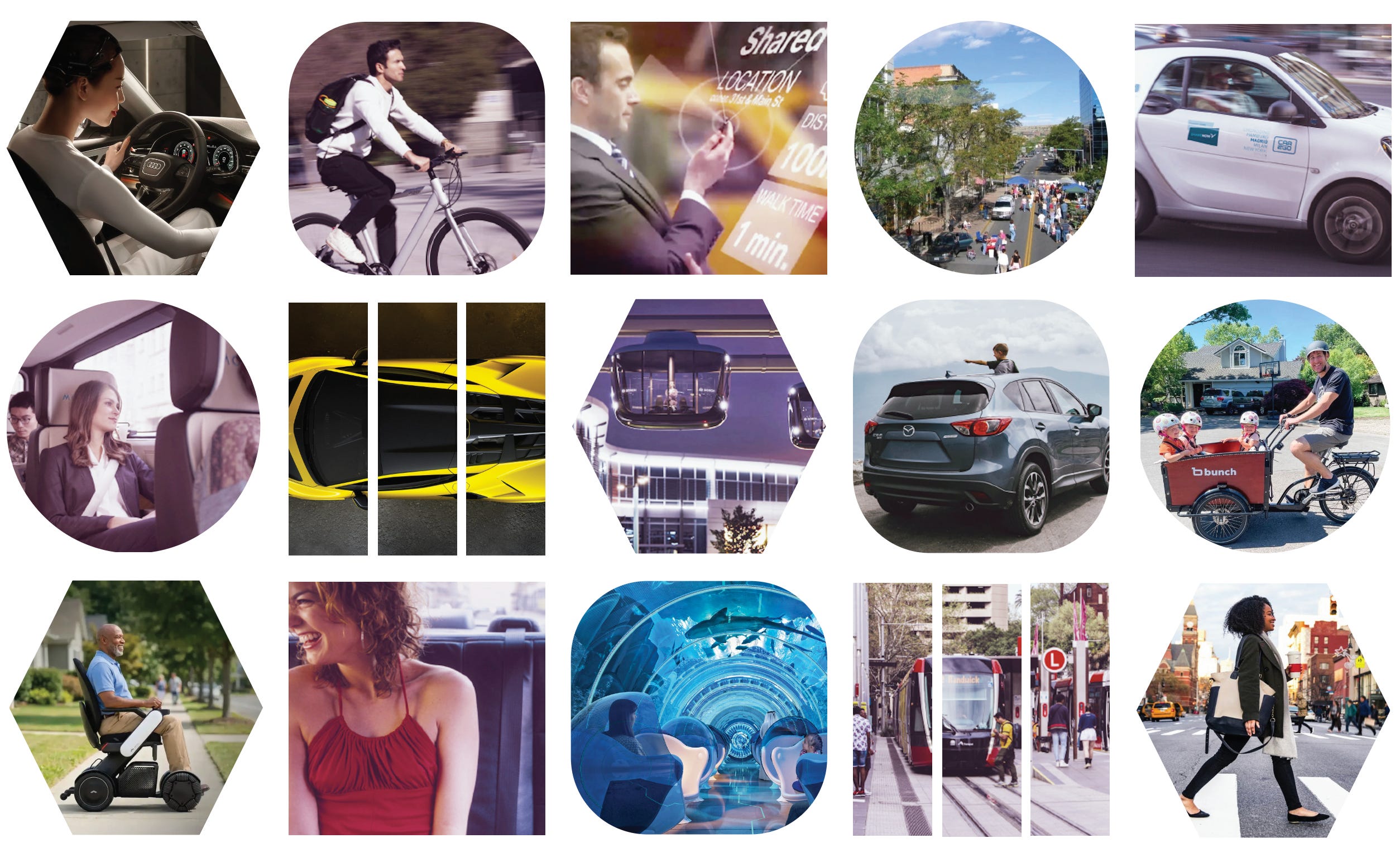
When a region has a weak mobility mesh, daily life is brittle. Miss one link and the whole day starts to break. The bus takes too long. The bike route is unsafe. The car share is unavailable. The ride costs too much. The grocery store is too far. The child cannot get to school independently. The older adult loses freedom the moment driving becomes difficult. Every errand, every social visit, every shift in schedule leans back on one answer: own a car, store a car, insure a car, maintain a car, and organize life around a car.
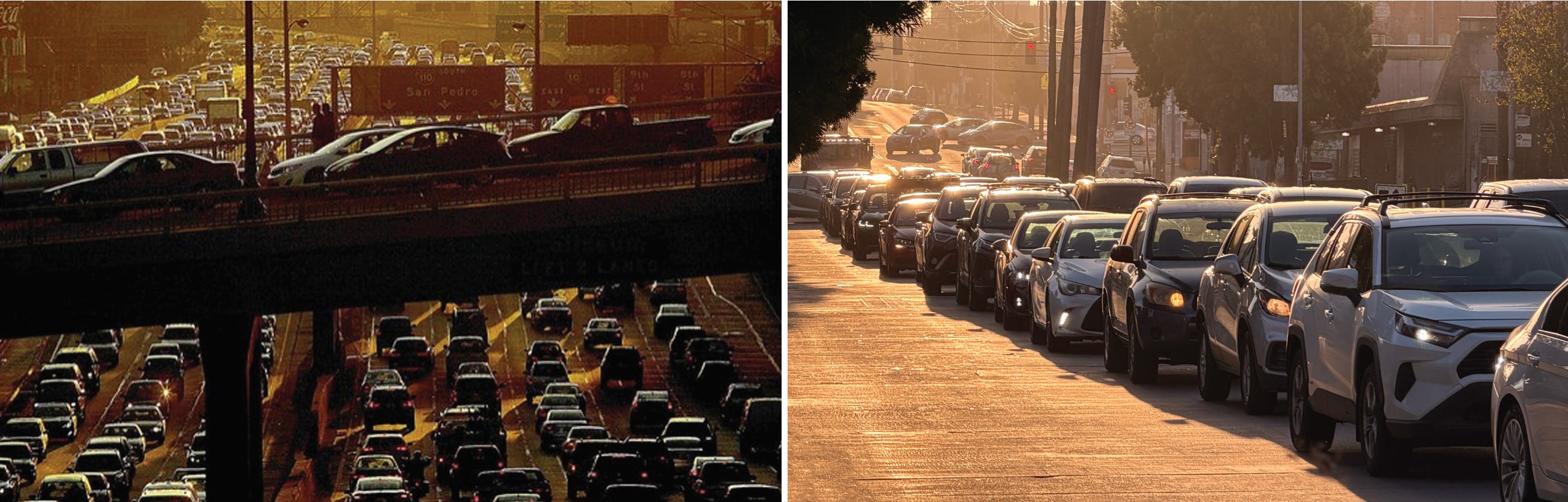
When a region has a strong mobility mesh, life begins to open.
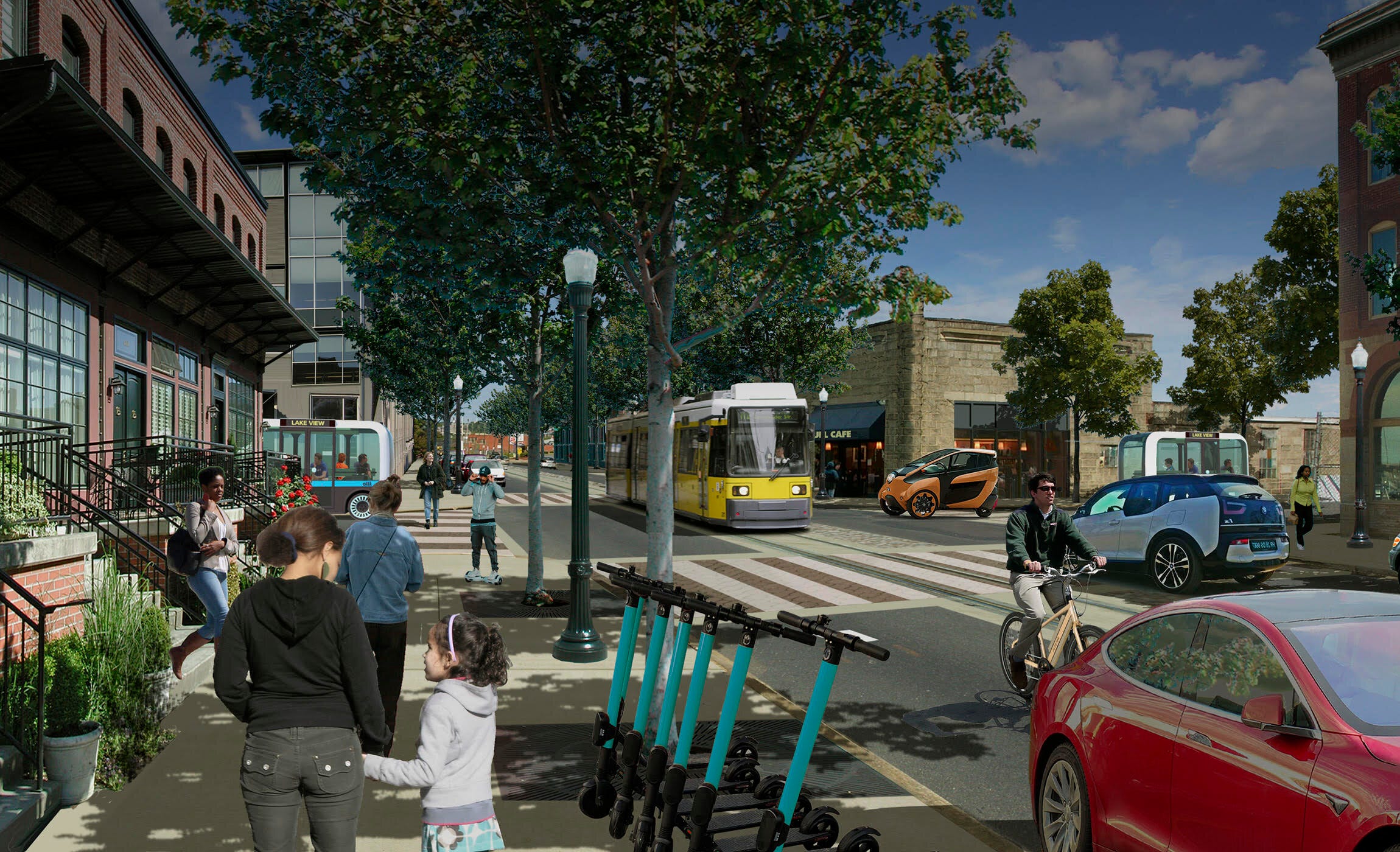
You can walk comfortably to some things. Bike or e-bike to others. Use local small vehicles where that makes sense. Take fast, frequent transit where corridors support it. Use ridehail or robo-taxis when speed and convenience matter. Rent the right car for the right trip rather than forcing one oversized vehicle to do every job. Work remotely when that is the smartest form of access. Have goods delivered efficiently instead of sending thousands of private cars out for tiny errands. Live with redundancy instead of fragility.
That is the Mobility Mesh: not a single thread, but a woven system.
I think of it as having three major layers.
First is proximity: how much of daily life is actually near you, or can be brought nearer over time through better land use, better neighborhood design, and mobility hubs.
Second is mobility: the physical ways you move through the world, from walking and micromobility to transit, car share, ridehail, and new forms of on-demand service.
Third is connectivity: the growing ability to access work, services, shopping, health care, culture, and people without always having to travel physically in the first place.
All three are forms of access. And access is the point.
This is one reason I have never felt that “car-free” is the right term for thin-city America. A person in suburban Denver or South Atlanta may someday live extremely well without owning a car while still using vehicles all the time. They may use e-bikes, neighborhood EVs, on-demand shuttles, shared cars for weekend trips, ridehail for evenings, transit for core corridors, robo-taxis for certain connections, and delivery services in place of some errands. They are not “free of cars” in any literal sense. They are free of car dependency.
That is a much more important freedom.
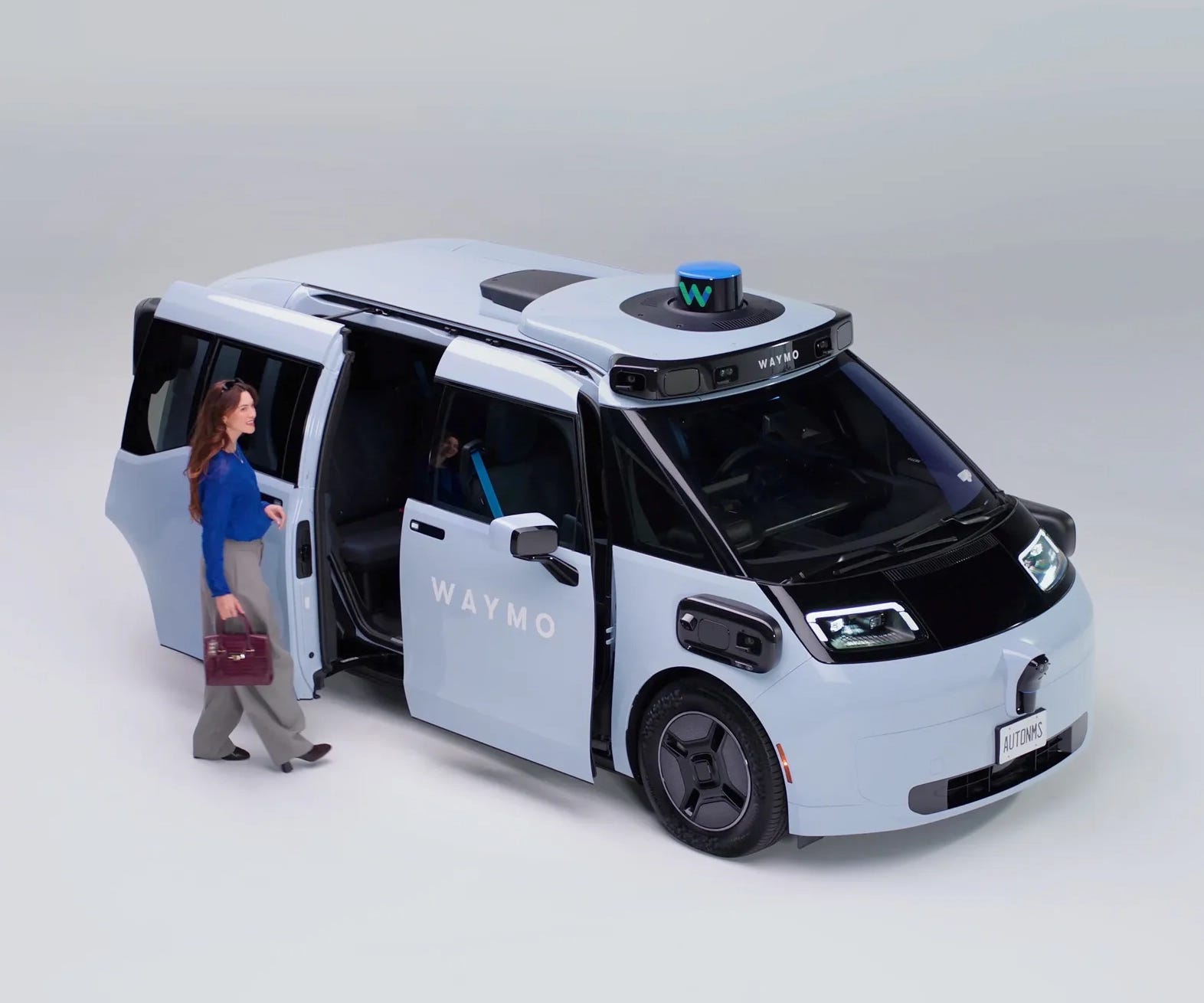
And it points to why companies like Uber, Waymo, bike-share operators, micromobility firms, transit agencies, car-share companies, developers, and local governments should all care about this frame. None of them, on their own, is the answer. Not one service, not one fleet, not one app, not one mode. The value proposition that will truly pull households away from car ownership is not a product in isolation. It is a superior overall life system.
In other words: the winning offer is not “use our service.”
The winning offer is: “Where you live, the Mobility Mesh is now so good that owning a car is no longer necessary for a great life.”
That is the sentence the future needs.
It is also the sentence public leaders should start building toward. Because once you adopt the Mobility Mesh as the frame, you start seeing clearly what has to improve. You stop arguing in abstractions and start asking concrete questions.
How safe is it for an eight-year-old to move around here?
How independently can a fourteen-year-old reach school, friends, parks, and culture?
How much of a sixty-five-year-old’s freedom still depends on driving?
How many daily trips under five miles still happen in oversized vehicles?
How many households could shed a second car if the mesh improved just a bit?
How many garages could become studios, workshops, or housing if we no longer needed to store so many large private vehicles?

How much healthier, cheaper, calmer, and more social could life become if movement were right-sized to actual trips?
These are not small questions. They are quality-of-life questions. They are family-budget questions. They are land-use questions. They are climate and public-health questions. They are children’s freedom questions. They are aging questions. They are economic development questions. They are central to the future of American metro life.
And they are especially central in the places that have been hardest to serve: the vast thin-city belts where old transit never fully worked, walking is too often unpleasant or unsafe, and the automobile became the default tool for almost everything.
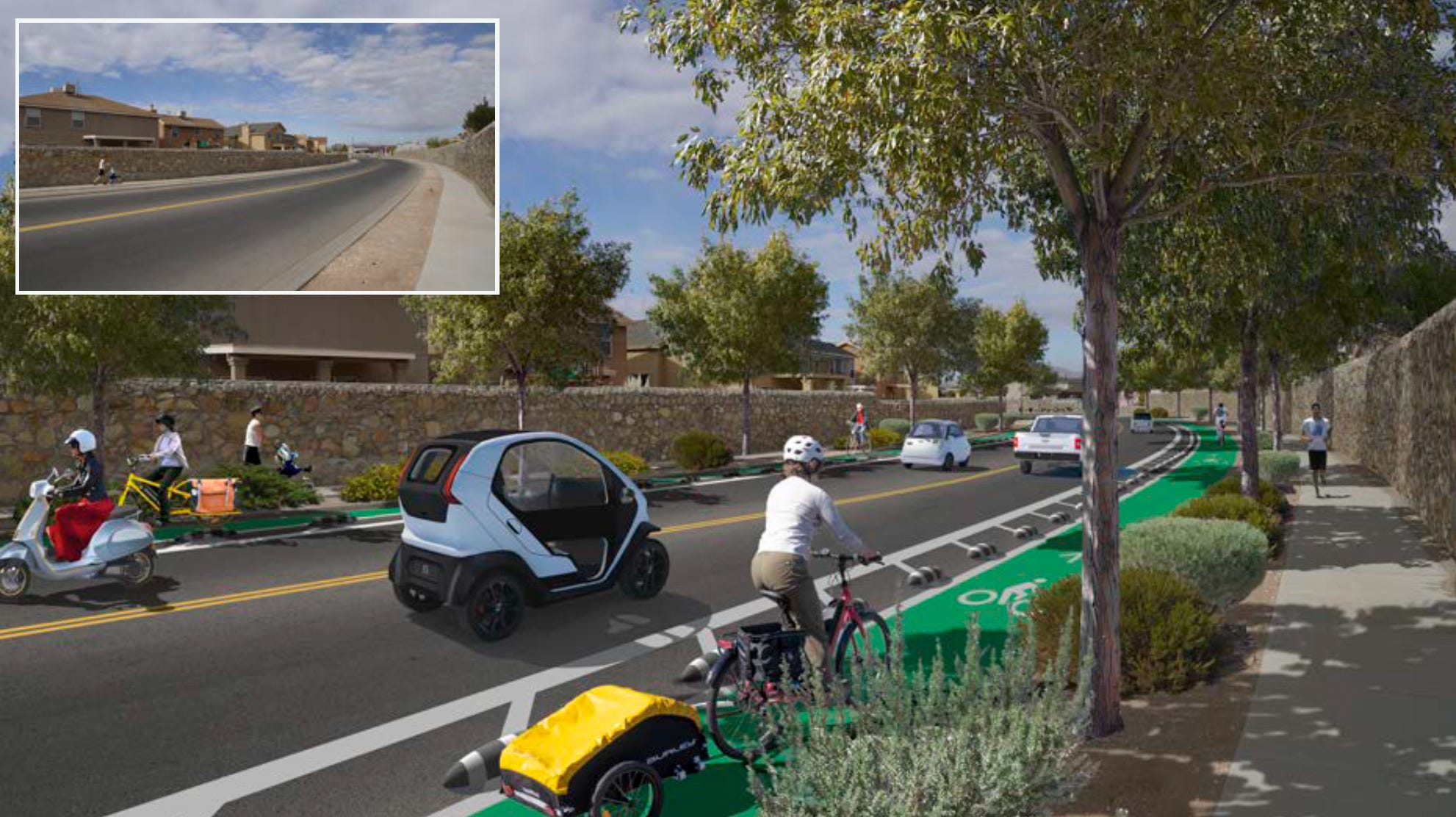
This is why I keep coming back to naming. You cannot build public understanding around a vacuum. You cannot accelerate a transition if people have no good way to describe what they are moving toward. You cannot ask the average household to leave behind a century-long system without giving them a vivid frame for the better system replacing it.
Mobility Mesh does that.
It says that freedom does not come from one machine in your driveway. It comes from the strength of the whole network around you.
It says that the goal is not to shame people for owning cars. The goal is to make car ownership optional.
It says that the question is not whether you personally love cars, hate cars, or barely think about them. The question is whether the place you live gives you enough woven options to thrive.
It says that the future of American mobility is not monoculture. It is mixture, redundancy, interoperability, and choice.
And it gives us a better way to talk to one another.
A few years from now, I want ordinary conversations to sound different.
Not: “Do you own a car?”
But: “How good is the mobility mesh where you live?”
That question immediately opens up the right territory. It tells us to think about walking conditions, bike networks, local vehicles, transit frequency, ride access, pricing, safety, convenience, delivery, digital access, neighborhood design, and whether children, seniors, and working adults can actually flourish without organizing life around a privately owned automobile.
A strong mobility mesh will not look the same everywhere. Manhattan’s mesh is not Boulder’s. Boulder’s will not be Louisville’s. Louisville’s will not be Phoenix’s. The point is not uniformity. The point is performance. Does the place work? Does it let people live well? Does it reduce forced car ownership? Does it expand access while shrinking cost, stress, land consumption, and isolation?
That is the standard.
The United States has spent a century perfecting automobile dependence. The next era should be about perfecting the Mobility Mesh.
That is the work now: to strengthen the mesh in every metro region, especially across suburban and thin-city America; to help households eliminate the second car, then eventually the first when that becomes realistic; to make life better for the child, the parent, the worker, the older adult, the visitor, and the person who simply wants more freedom at lower cost.
We need leaders in technology, transportation, local government, real estate, and infrastructure to start using this frame. We need the public to start using it too.
Because once the term lands, the future gets easier to see.
And once the future gets easier to see, it gets easier to build.